The Guild’s All Hands All Lands burn team starts out strong

September 22, 2018

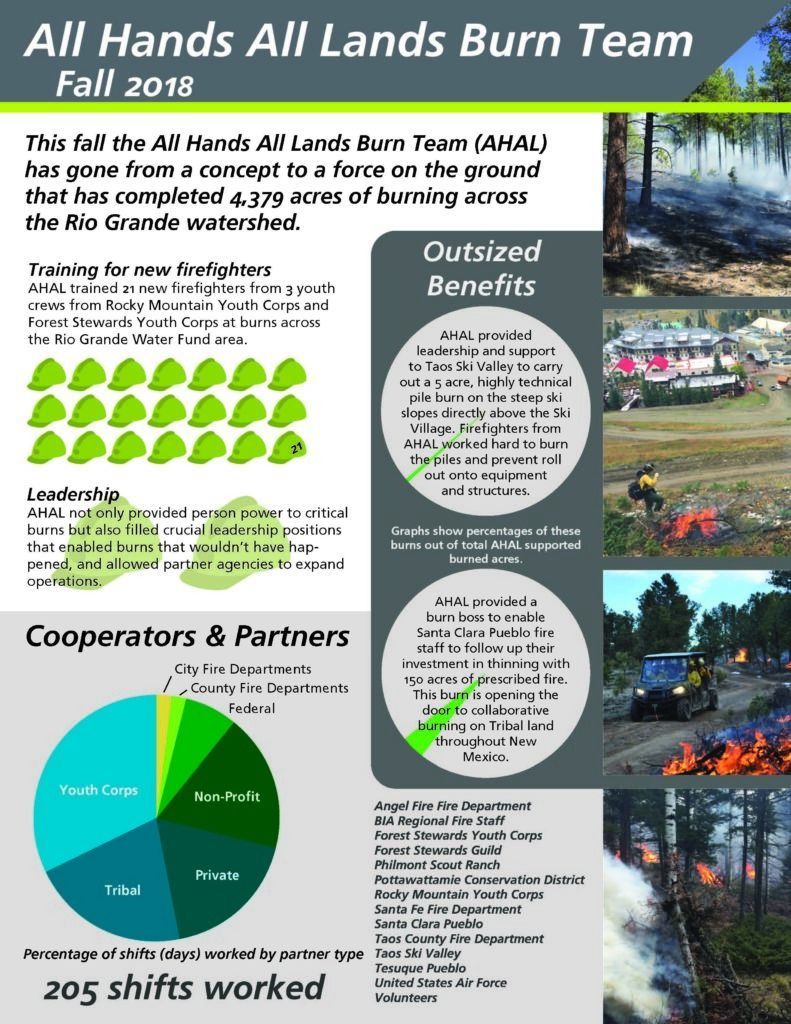
AHALFall2018 2018 is the inaugrial year of the Guild’s innovative All Hands All Lands burn team.

A summary of work  (at right) shows the amazing good fire results this year as part of the new coordination of effort, skills, partners and resources.

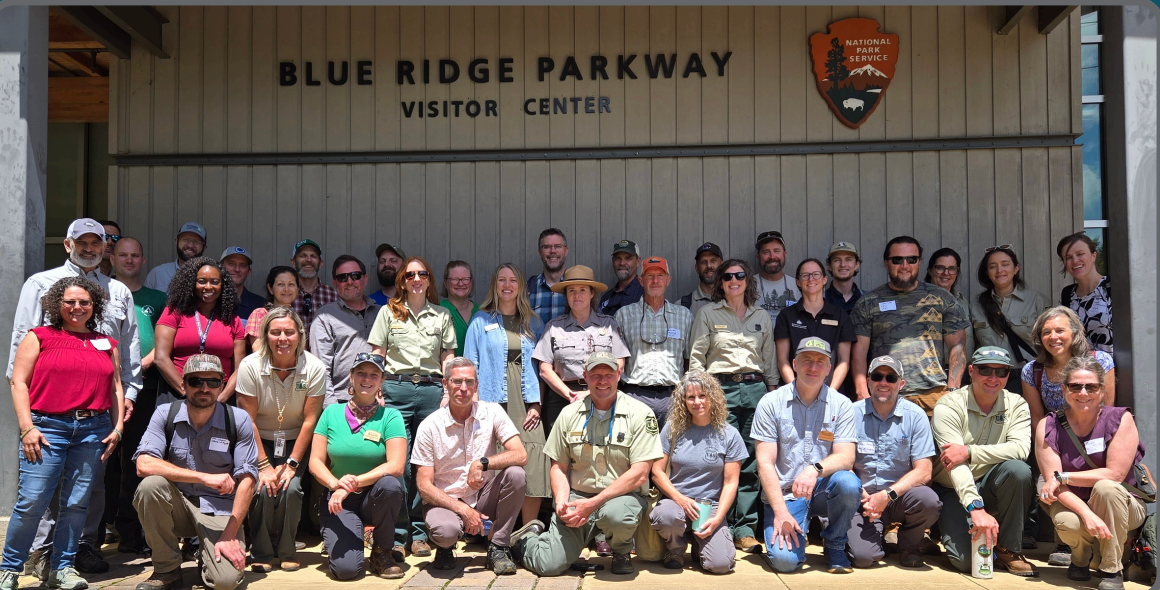
View this video  by the Fire Adapted Communities Learning Network! The video shares information and results from recent Prescribed Fire Training Exchanges (TREX) and also features the Guild’s All Hands All Lands burn team coordination (starting at about 1:35 time in the video).

Bringing good fire back to fire adapted landscapes requires lots of training and partnerships. The materials above display some of the results of such collaborative efforts. Enjoy!

Thank you to all who support this essential and growing area of restoration management and wildfire prevention.

Recent Posts

By Daisy Smith June 3, 2026
Written by Ryan Salyers
By Daisy Smith June 2, 2026
Written by Billy Coffey, SWVA Crew Leader
By Daisy Smith May 14, 2026
Written by Zander Evans
By Daisy Smith May 14, 2026
Written by Zander Evans
May 14, 2026
A science inspired art show in Taos, NM Written by Cody Dems
April 16, 2026
Written by Colleen Robinson
April 14, 2026
Written by Shannon Maes
April 14, 2026
In September 2025, the Guild launched a three-person Forest Stewards Apprenticeship (FSA) crew to work with the Penobscot Nation’s Department of Natural Resources (PN DNR). Over the course of their six-month season, apprentices Agenor Duhon, Gabe Stewart, and Jacob Baker shared a season of learning, collaboration, and hands-on stewardship of Penobscot Tribal lands.
April 14, 2026
This week, I stepped into the role of crew leader. We worked a full 40-hour week, splitting our time between Clifton Farms and a prescribed burn operation. On the first day in the field, we completed hack-and-squirt treatments on trees that had been marked the previous week. For the remainder of the week, we focused on marking trees for future hack-and-squirt work, maintaining a steady pace and ensuring accuracy in our selections.
April 7, 2026
As Guild members, our practice is fundamentally grounded in field observation. We know intuitively that forests are dynamic, living communities. Yet, for decades, the high-level systems used to value our work, specifically the carbon accounting ledgers tied to international frameworks like the Paris Agreement, have treated forests as static, quantifiable blocks of land. In a recent commentary published in One Earth, I argue that these legacy measurement, reporting, and verification (MRV) frameworks are failing. Ledger accounting relies on crude land-use delineations and outdated technology, effectively penalizing the natural, seasonal flux of the ecosystems we manage every day. By forcing landscapes into rigid “forest” versus “non-forest” binaries, such legacy systems miss the complex reality on the ground. But a major shift is underway.
Show More