Shortleaf Pine Restoration on the Cumberland Plateau

July 19, 2023

Written by Shawn Swartz

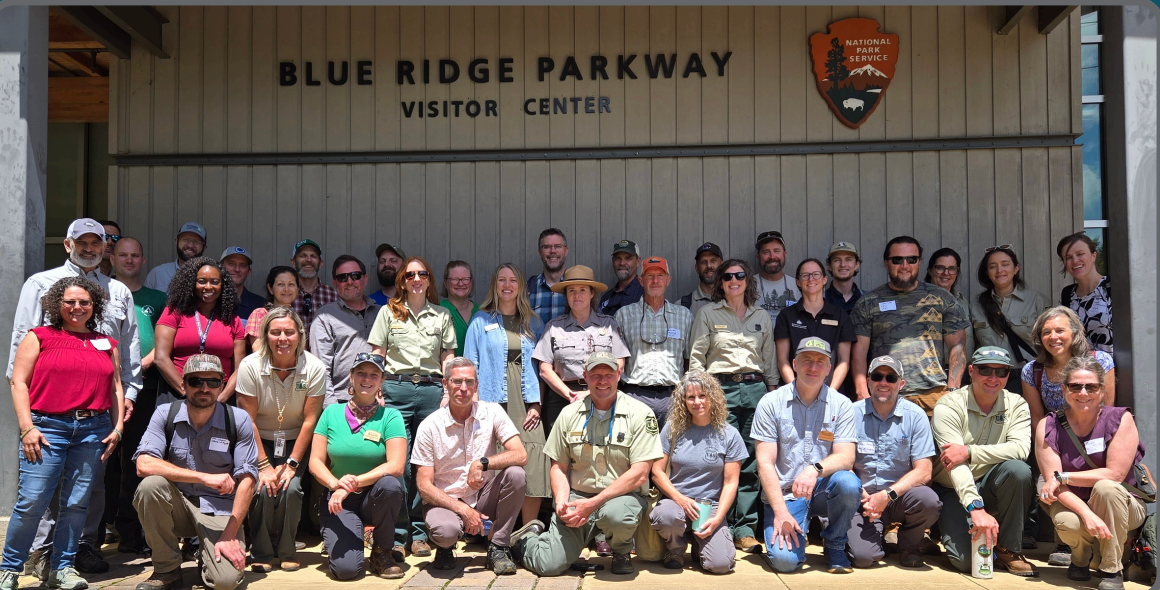
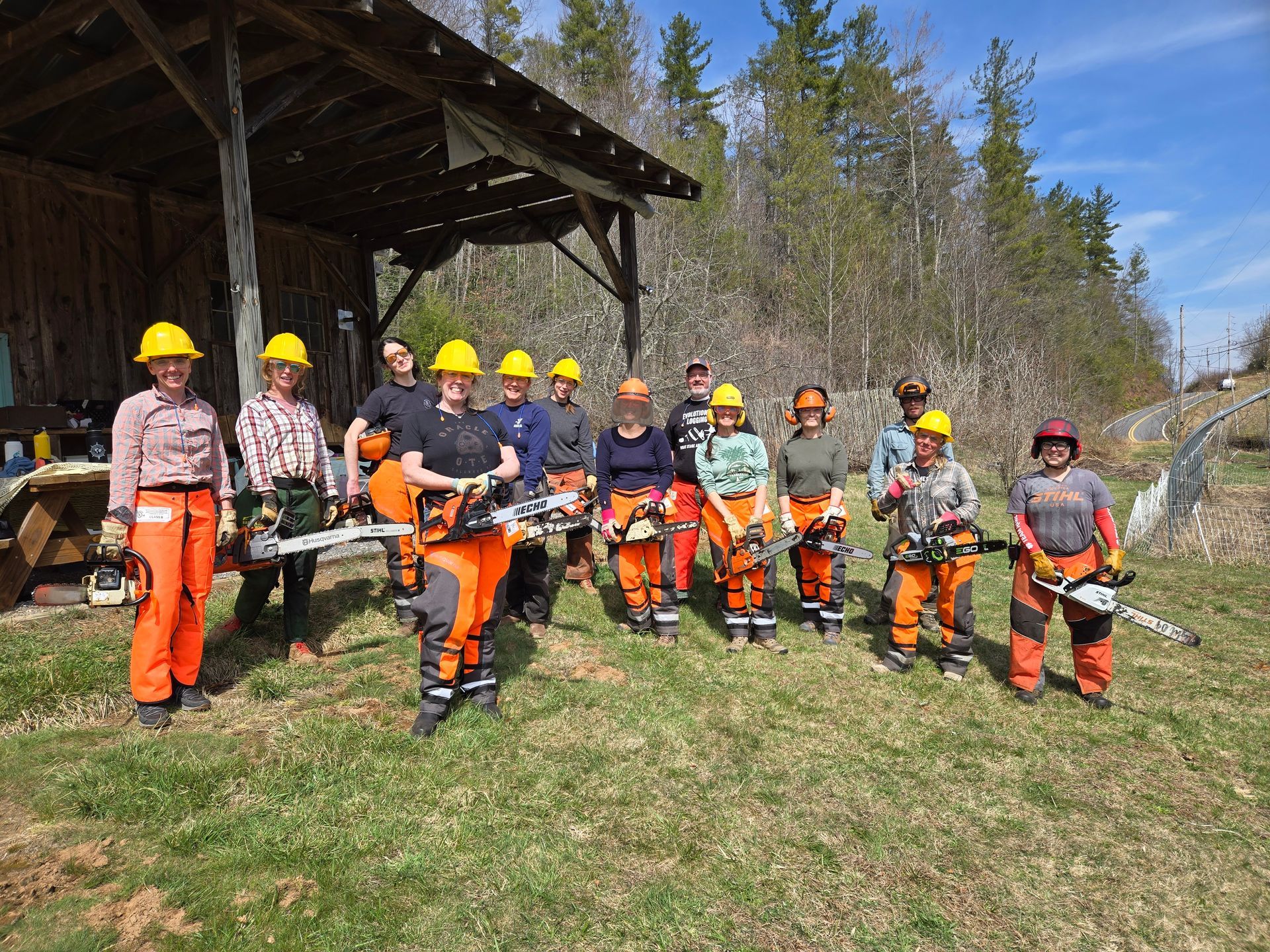
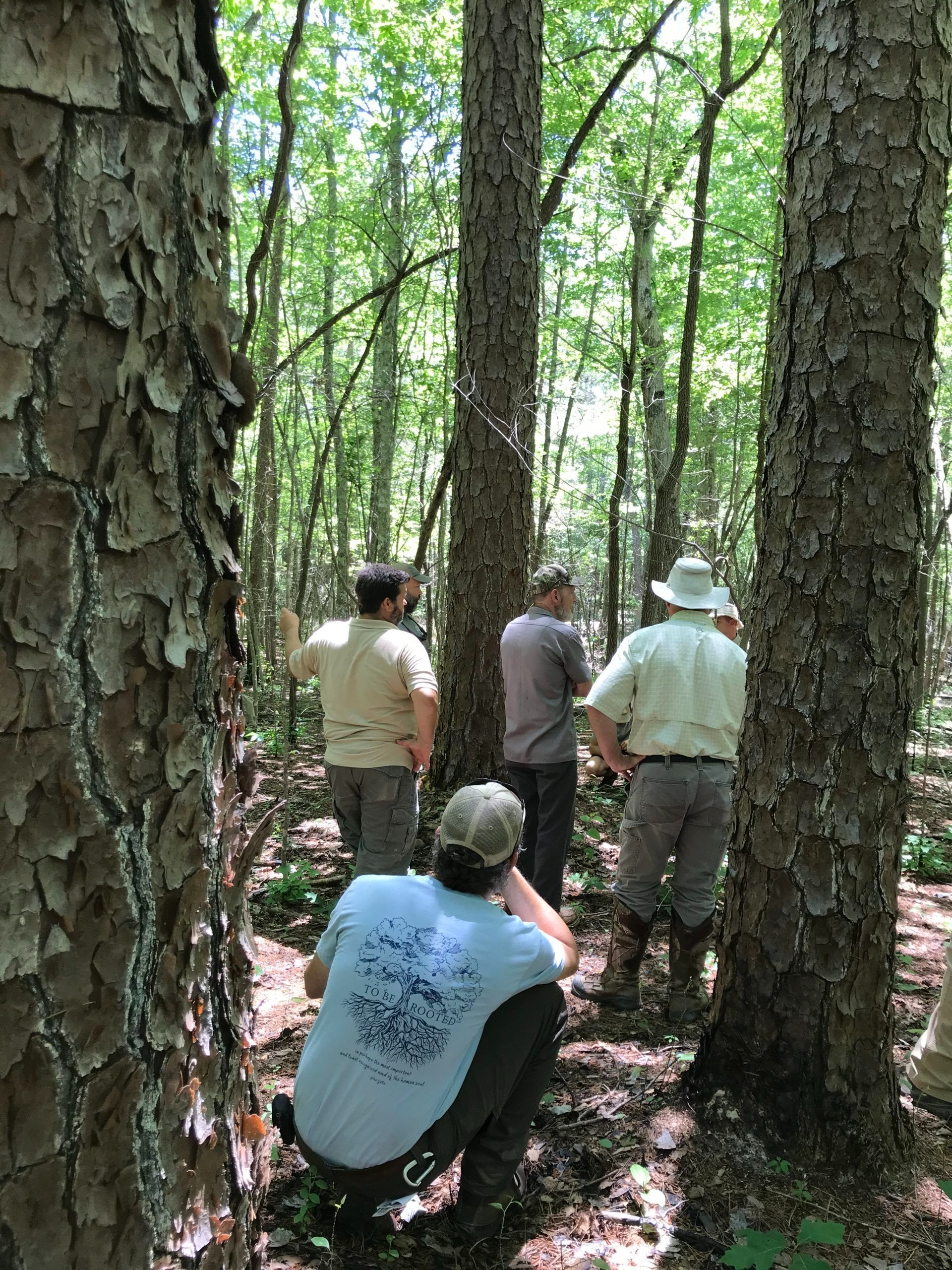
Participants of an event

The Southeast Region of the Forest Stewards Guild recently finished a multi-year project on the Cumberland Plateau of Kentucky and Tennessee focused on the restoration of shortleaf pine on public and private lands. Beginning in 2019, the project was funded by the National Fish and Wildlife Foundation (NFWF) and supported by the Natural Resources Conservation Service (NRCS) and saw the Guild partnering with the Tennessee Wildlife Federation (TWF), the Tennessee Department of Environment and Conservation, Berea College, and The University of the South at Sewanee. Shortleaf pine is a fire-adapted species associated with poor soils and frequent disturbance. Due to changes in how humans interact with the landscape, the presence of shortleaf pine is declining across much of its native range, as well as associated species such as the prairie warbler, pine warbler, and wild turkey.  

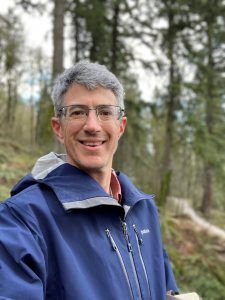
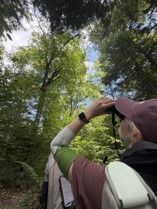
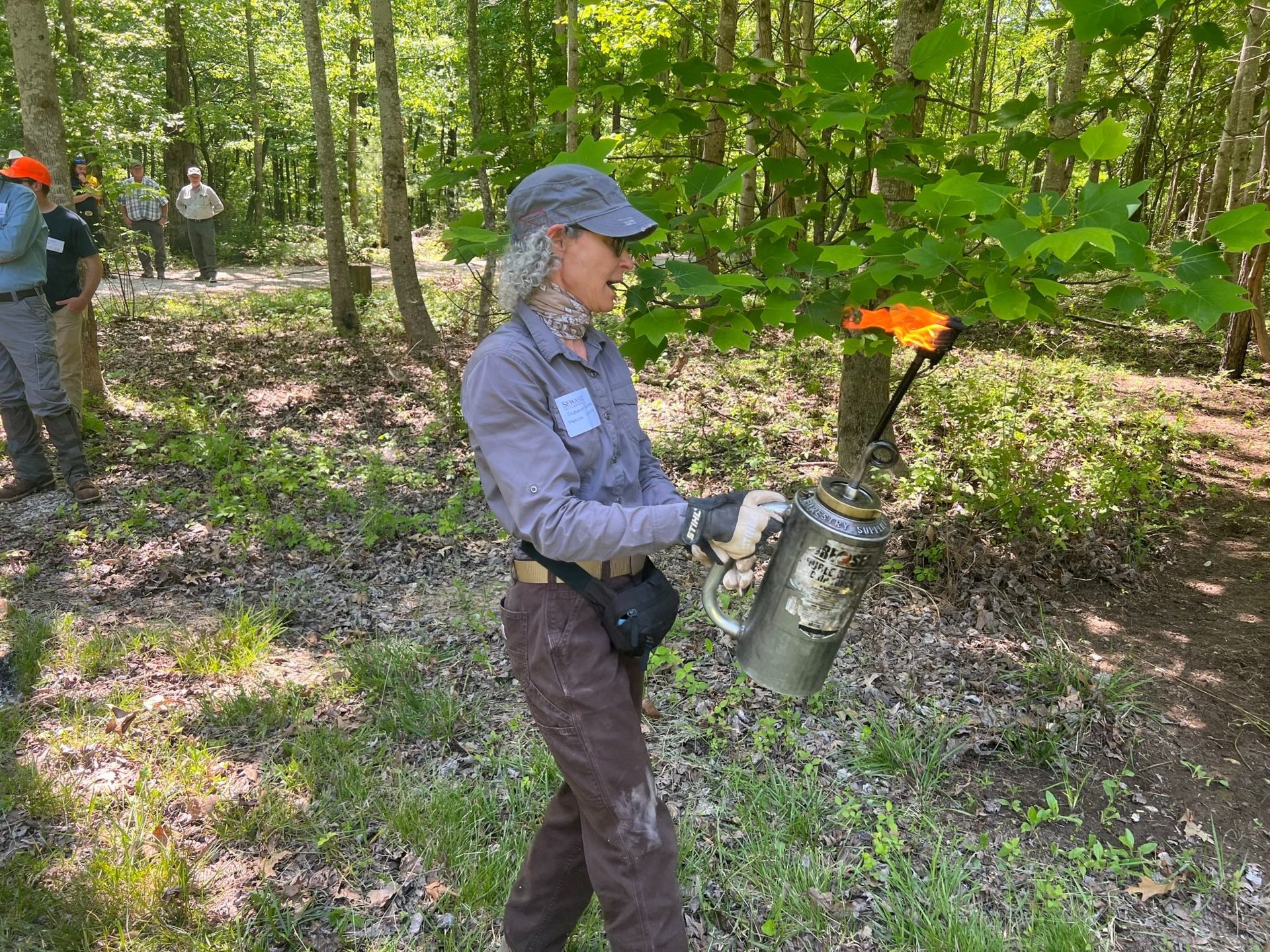
A prescribed fire workshop event participant

The project supported shortleaf pine restoration on private and public lands by conducting prescribed burns and other enhancement activities on over 4,000 acres, planting nearly 1,500 acres of shortleaf pine, and enhancing over 1,500 acres of shortleaf pine ecosystems. Additionally, the project supplied private landowners with shortleaf pine restoration plans, trained individuals in the use of prescribed fire using state and federal standards, and engaged in educating landowners, practitioners, and the public in the importance of prescribed fire through interpretive signage, workshops, and webinars.

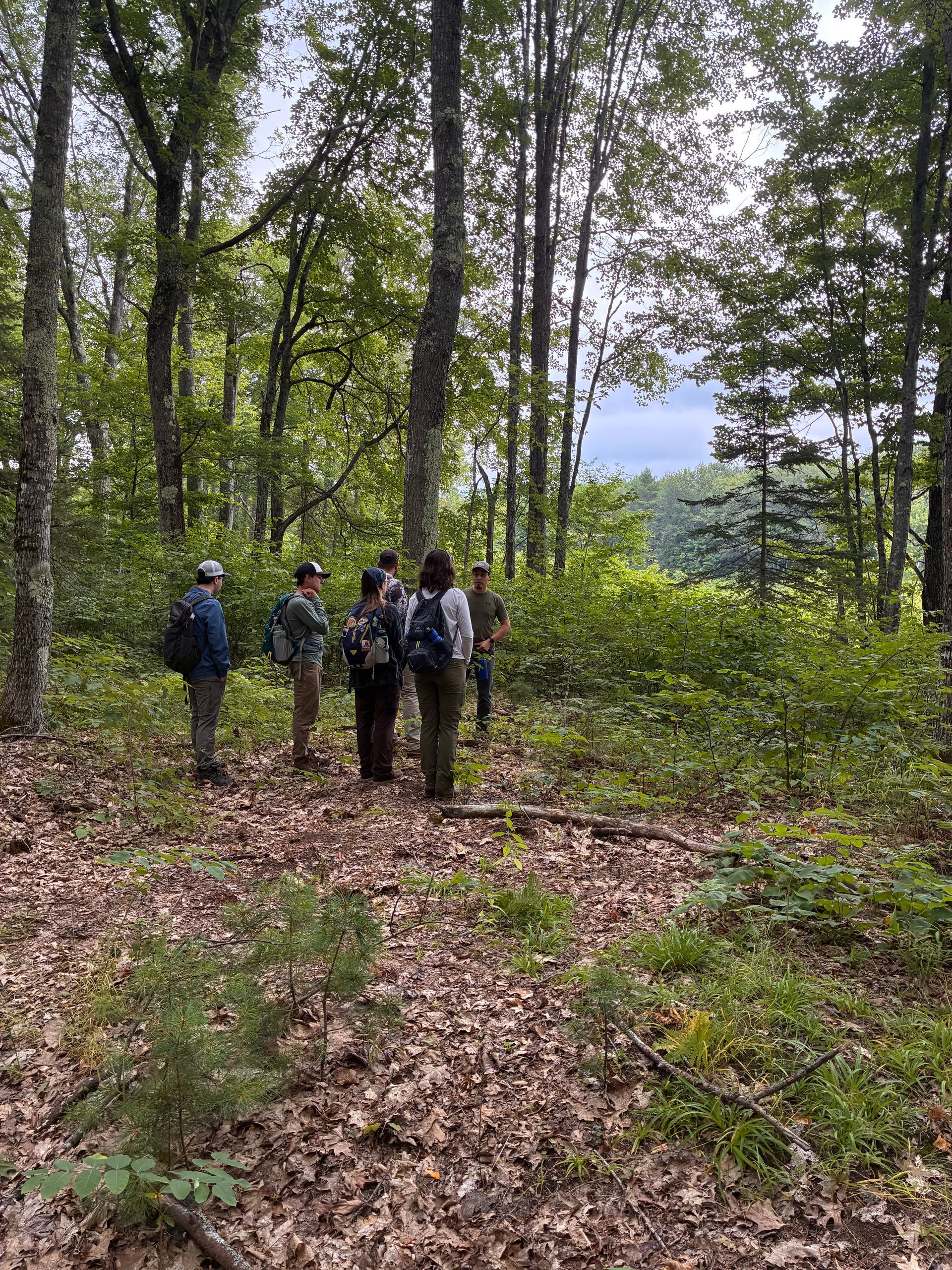
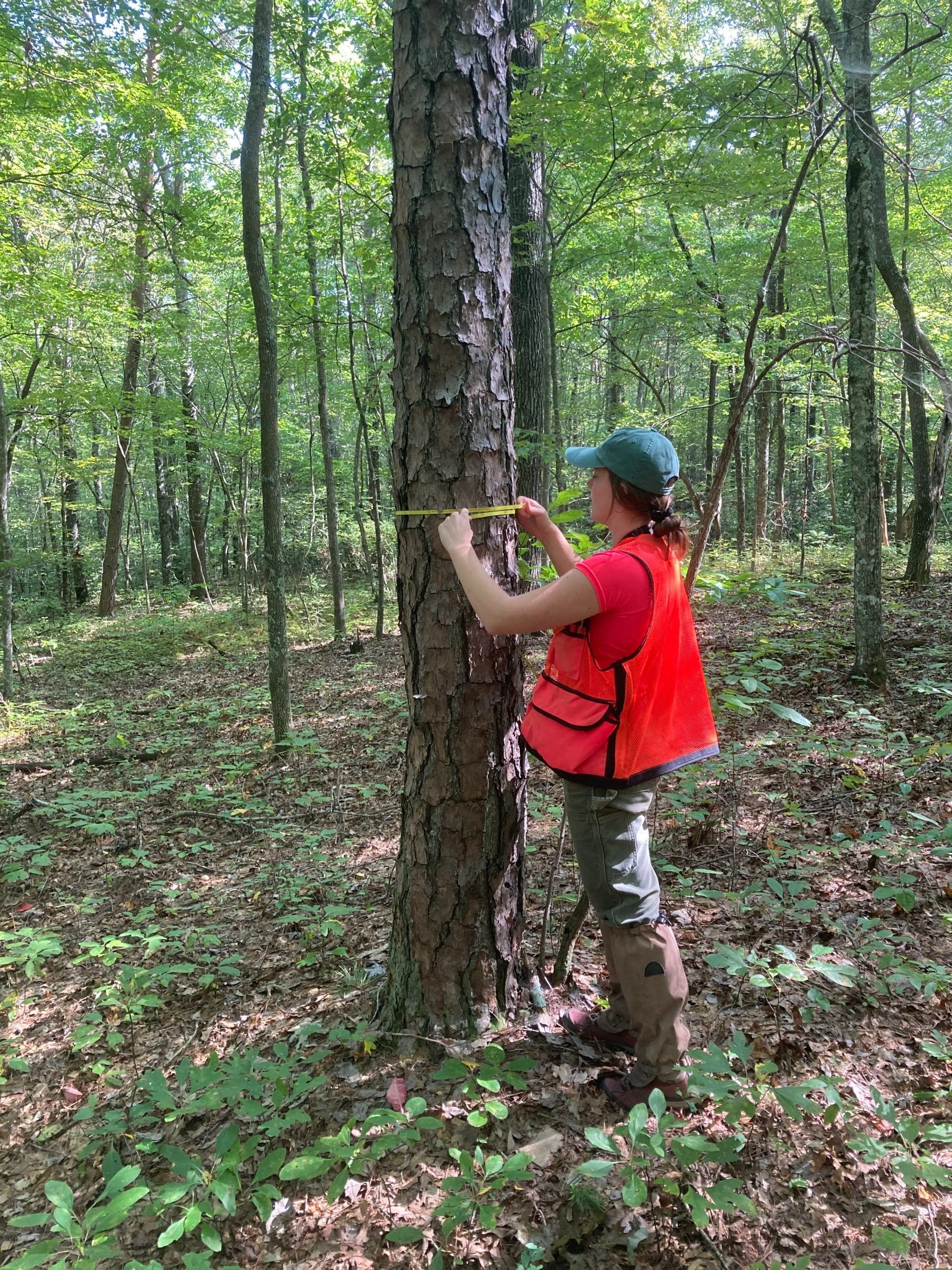
Photo of Dakota Wagner collecting data in a shortleaf pine stand

This work is a continuation of an earlier project to build the foundation for increased capacity for shortleaf pine restoration on the Cumberland Plateau, bringing the total time we and our partners have engaged in this work to six years. The project weathered many significant challenges, such as staffing changes and of course, a global pandemic. The success of the effort is due to phenomenal, dedicated work toward project goals and partnerships that have grown over time and continue to mature, providing significant positive impacts that none of us could accomplish alone. The landscape, wildlife, and human communities in the region are richer for the actions of the collective work. In the future, we hope to extend our work on the Plateau to include white oak in addition to shortleaf pine. We appreciate the opportunity to engage in this effort with our partners. 

Recent Posts

By Daisy Smith June 3, 2026
Written by Ryan Salyers
By Daisy Smith June 2, 2026
Written by Billy Coffey, SWVA Crew Leader
By Daisy Smith May 14, 2026
Written by Zander Evans
By Daisy Smith May 14, 2026
Written by Zander Evans
May 14, 2026
A science inspired art show in Taos, NM Written by Cody Dems
By Aidan Juhl April 16, 2026
Written by Colleen Robinson
April 14, 2026
Written by Shannon Maes
April 14, 2026
In September 2025, the Guild launched a three-person Forest Stewards Apprenticeship (FSA) crew to work with the Penobscot Nation’s Department of Natural Resources (PN DNR). Over the course of their six-month season, apprentices Agenor Duhon, Gabe Stewart, and Jacob Baker shared a season of learning, collaboration, and hands-on stewardship of Penobscot Tribal lands.
April 14, 2026
This week, I stepped into the role of crew leader. We worked a full 40-hour week, splitting our time between Clifton Farms and a prescribed burn operation. On the first day in the field, we completed hack-and-squirt treatments on trees that had been marked the previous week. For the remainder of the week, we focused on marking trees for future hack-and-squirt work, maintaining a steady pace and ensuring accuracy in our selections.
April 7, 2026
As Guild members, our practice is fundamentally grounded in field observation. We know intuitively that forests are dynamic, living communities. Yet, for decades, the high-level systems used to value our work, specifically the carbon accounting ledgers tied to international frameworks like the Paris Agreement, have treated forests as static, quantifiable blocks of land. In a recent commentary published in One Earth, I argue that these legacy measurement, reporting, and verification (MRV) frameworks are failing. Ledger accounting relies on crude land-use delineations and outdated technology, effectively penalizing the natural, seasonal flux of the ecosystems we manage every day. By forcing landscapes into rigid “forest” versus “non-forest” binaries, such legacy systems miss the complex reality on the ground. But a major shift is underway.
Show More